









Make Your Vote Count - Support a Stronger APNIC!


NRS statement on the passing of Alan Barrett
Number Resource Society is deeply saddened by the passing of Alan Barrett, former Chief Executive Officer of AFRINIC and a distinguished contributor to the development
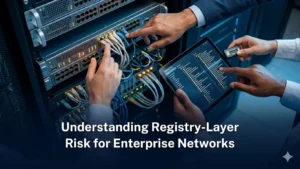
Understanding Registry-Layer Risk for Enterprise Networks
Enterprise infrastructure discussions often focus on bandwidth, routing, cloud scale, cybersecurity posture, and geographic redundancy. Yet beneath all of these systems sits a quieter dependency
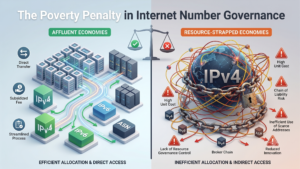
The Poverty Penalty in Internet Number Governance
The internet is often described as borderless, decentralized, and universally accessible. In operational reality, Internet Number Governance is a structured allocation system shaped by economic
Running-Code Betrayal: Why Operators Need a Continuity Layer Beyond Registry Process
Why Running-Code Betrayal matters Running-Code Betrayal happens when policy process, registry procedure, or institutional interpretation begins to place already-running networks at risk. It is not
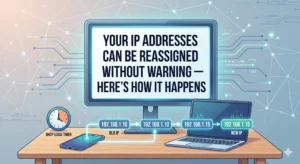
Your IP addresses can be reassigned without warning — here’s how it happens
Standfirst:IPv4 scarcity, transfer markets, and registry-layer dependency are quietly reshaping internet infrastructure — often without businesses realising the risk. Many organisations assume long-used IP

How to Protect your IP Assets from Governance Risk
As IPv4 scarcity intensifies, organisations must rethink IP assets as governed resources exposed to institutional risk, not simply owned infrastructure. Governance risk—not technical failure—is emerging